Health Pressures – health advice for residents and visitors. Supporting you to get the right help when you need it
Visitors and local people are being encouraged to make the best use of NHS services – especially community pharmacies through the Pharmacy First service –and to order and collect repeat prescriptions early, particularly if you are travelling or planning to be away over the holidays.
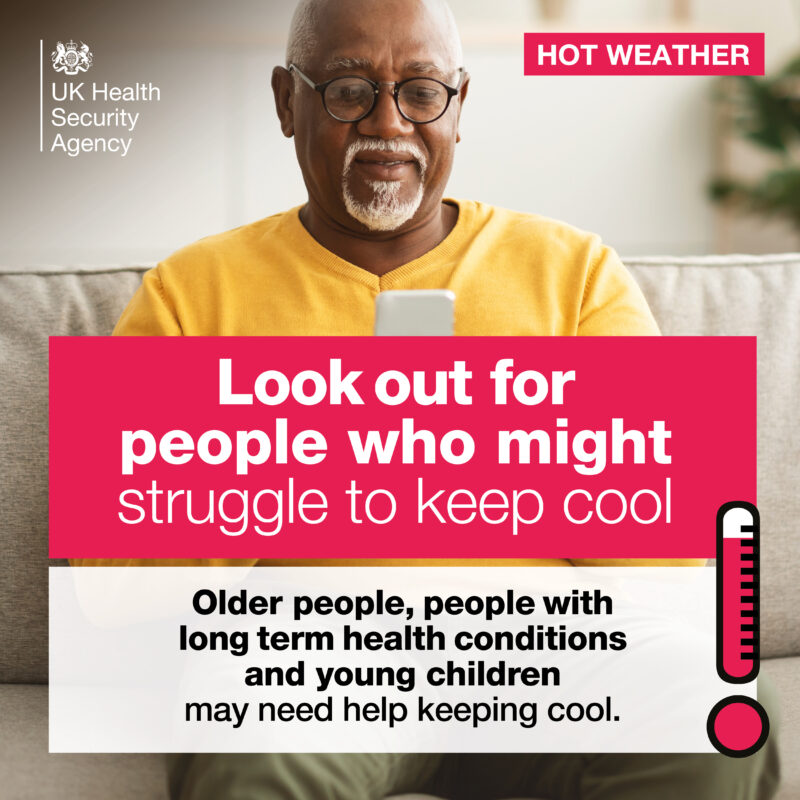
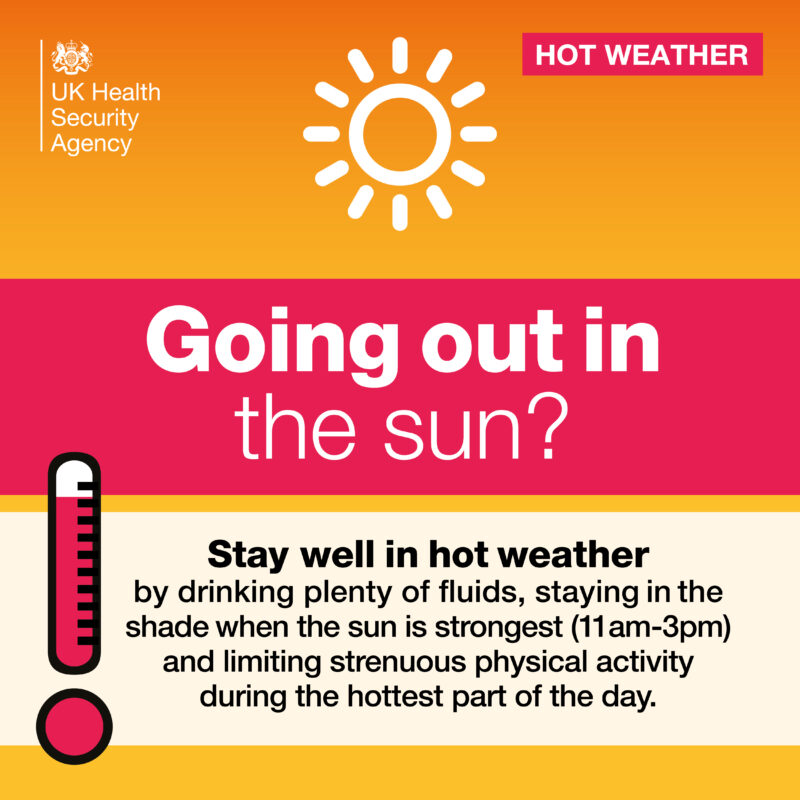
At this time of year most of us look forward to some warm, sunny weather and the chance to spend time outdoors, but it’s important to remember that some people struggle to cope in the heat. The good news is, we can all take precautions that allow us to enjoy the hot weather safely and help people who might be more vulnerable as the temperatures rise.

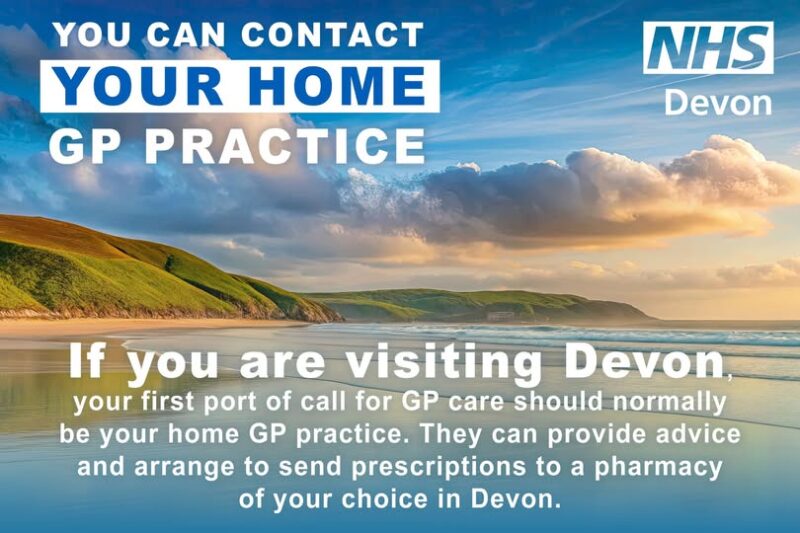
Visitors asked to contact their own GP first
Visitors to Devon are reminded that their first port of call for GP care should normally be their home GP practice, which can often provide advice through online, phone or video consultations and arrange for prescriptions to be sent electronically to a pharmacy of your choice in Devon
Local Urgent Treatment Centres and Minor Injury Services
You can check opening times of local Minor Injuries Unit, Urgent Treatment Centre and Community Hospitals by clicking the map below:
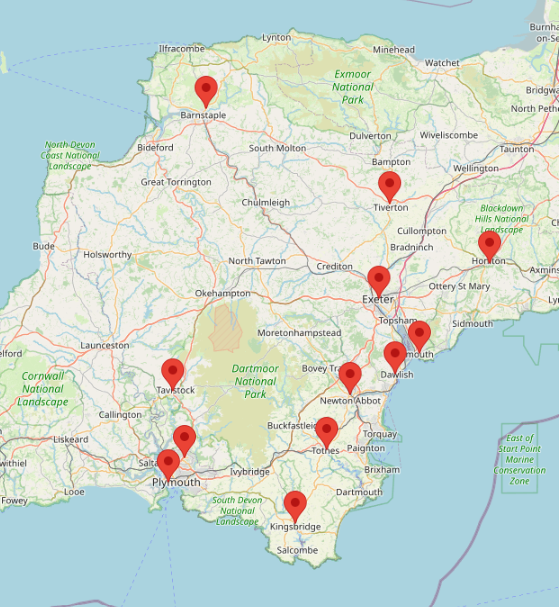
You can also find information about local Urgent Treatment Centres and Minor Injury Units on the websites of local NHS trusts in Devon:
- NHS Royal Devon | Minor injuries units (MIUs) and Walk-in centre (WIC)
- Urgent Treatment Centres and (UTCs) Minor Injury Units in Plymouth and Kingsbridge (plymouthhospitals.nhs.uk)
- Minor Injuries Units and Urgent Treatment Centre – Torbay and South Devon NHS Foundation Trust
Help us to help you
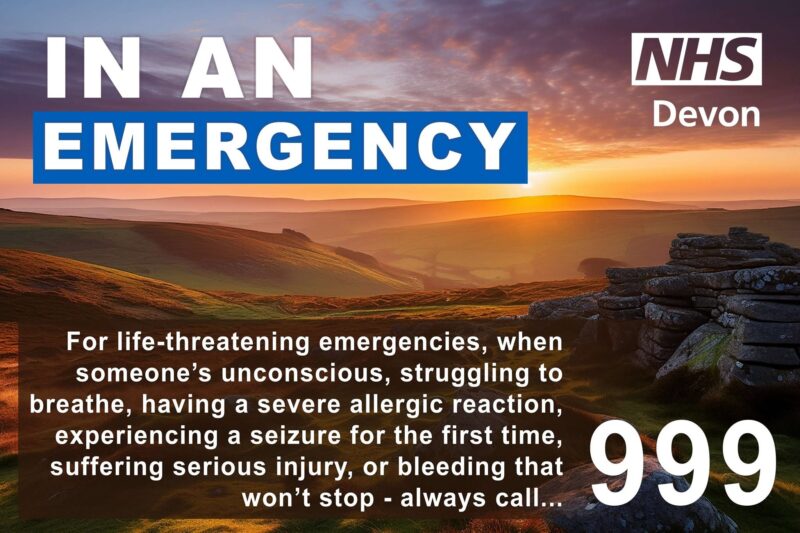

- Only call 999 when someone is seriously injured or ill and their life may be at risk. For example, if someone is unconscious, not breathing or is bleeding heavily.
- If an ambulance has been arranged for you, please only call back if the patient’s condition worsens or you wish to cancel the ambulance
- Many minor conditions and symptoms can be managed at home without seeking further support
- Contact 111 online or by phone if you need medical help or advice, or you are unsure about whether you should go to hospital
- Check local hospital trust websites for information on minor injury units and urgent treatment centres (scroll further down this page for more information)
- Take simple steps to look after yourselves and loved ones, checking in on vulnerable family members and neighbours.
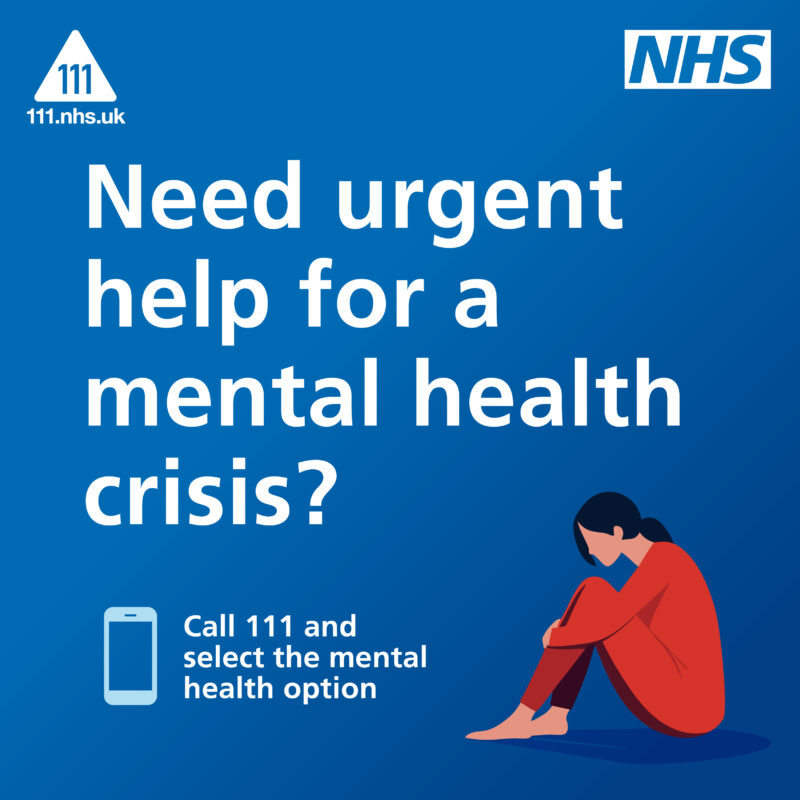
- If you, or someone you know, experiences a mental health crisis you can access support from 111
- Please pick up loved ones from hospital as soon as they are ready to be discharged
- Make use of community pharmacies, which can advise on minor illnesses and provide medications. Details about local pharmacies be found via the NHS’ interactive map
- Try to avoid visiting loved ones in hospital if you are unwell.
Community Pharmacy
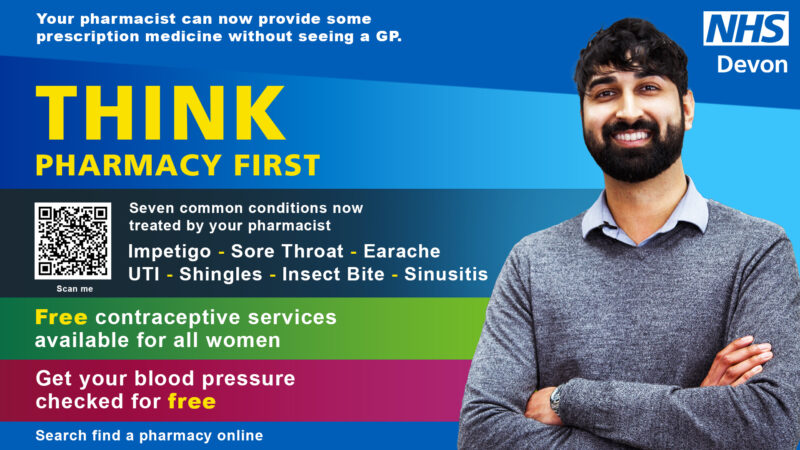
Four in five people in England can reach a community pharmacy within a 20-minute walk and there are twice as many pharmacies in the most deprived communities, making access to care quicker and more convenient.
Pharmacists are qualified experts in treating minor illnesses such as coughs, colds, stomach upsets and aches and pains. If you need help you can find your nearest open pharmacy.
For 7 common conditions, pharmacists will follow a robust clinical pathway which includes self-care and safety-netting advice and, only if appropriate, supplying a restricted set of prescription only medicines without the need to visit a GP
You don’t need an appointment, and most pharmacies have a private consulting room or a quiet area where you can discuss your symptoms.
They can also help you decide if you need to see a doctor, or whether to use any other type of local NHS service.
Choose the right service for your need
Other parts of the NHS healthcare system have capacity to look after people with less severe needs to allow EDs (also known as A&E) to focus on those who need help the most.
Anyone contacting 111 who needs emergency medical care from a hospital ED will be given direct access to the department.
Staff at NHS111 can direct people to Minor Injuries Units and Urgent Treatment Centres. This will ensure that people get to the right place for treatment quickly and may reduce their waiting times.

For more details on how to treat norovirus, which usually goes away after two to three days, see the NHS website.
Treatment starts at home
Many minor conditions and symptoms can be managed at home without seeking further advice.
Visit the NHS website www.nhs.uk for a complete guide to conditions, symptoms and treatments, including what to do and when to get help.
For urgent mental health support – call 111
You can call 111, and select the mental health option to get the support you need.
People are also being reminded that anyone experiencing a mental health crisis no longer needs to visit an Emergency Department for advice.