


Check Your Blood Pressure.

Contents
Introduction
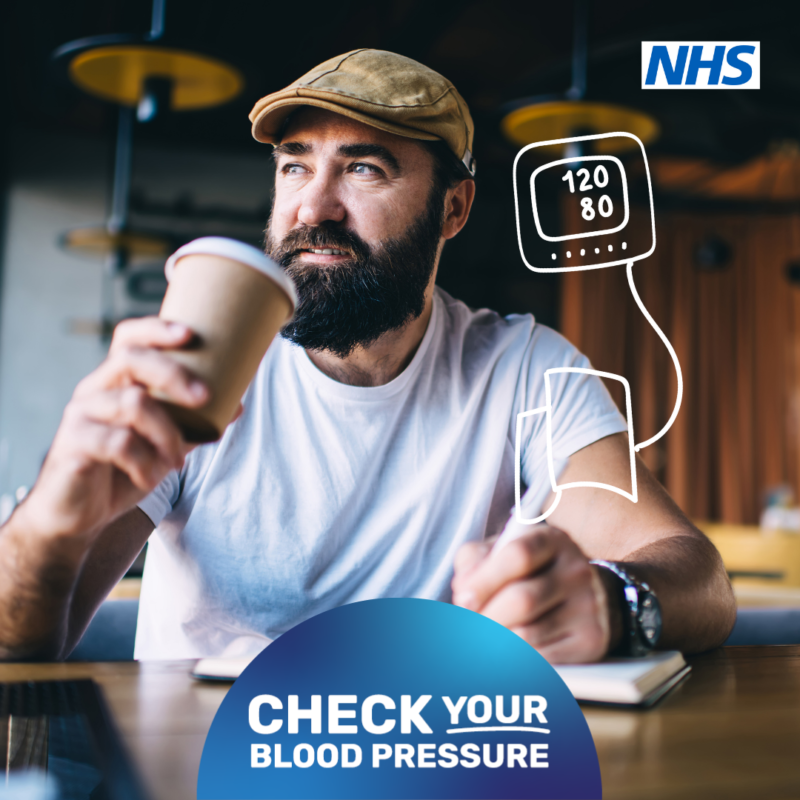
Blood pressure is a normal part of how our bodies work. But when it stays too high for too long, it can put extra strain on the heart and blood vessels. 1 in 3 adults in the UK have raised blood pressure and many don’t realise it. The good news? There are small, everyday choices we can make that may help bring it down.
The ‘check your blood pressure’ campaign is a collaboration between NHS Devon, Devon County Council, Plymouth City Council, Torbay Council and Libraries Unlimited. It’s all about raising awareness of why it’s important to get it checked, what things might contribute to high blood pressure, and most importantly giving you some tips and tools on how to take action where needed.
The only way to find out if you have high blood pressure is to have your blood pressure checked. Getting this done is easy and could improve the quality of your life by reducing complications and treatment demands.
Your local pharmacy can check your blood pressure, or you can check it yourself at home with an easy to use monitor. These monitors can be collected from over 50 libraries, run by Libraries Unlimited across Devon.
Once you have checked your blood pressure, you can see what the results might mean for you by using the online NHS blood pressure checker, which also provides advice and guidance on what action to take based on your results.
Visit the NHS Pharmacy finder website to find your nearest pharmacy – or NHS Devon’s website to learn more about the ‘Check your blood pressure’ campaign and where you can borrow a blood pressure monitor.
Participating libraries
Devon
- Appledore
- Ashburton
- Axminster
- Bampton
- Barnstaple
- Bideford
- Bovey Tracey
- Braunton
- Buckfastleigh
- Budleigh Salterton
- Chagford
- Chudleigh
- Chulmleigh
- Clyst Vale
- Colyton
- Combe Martin
- Crediton
- Cullompton
- Dartmouth
- Dawlish
- Exeter
- Exmouth
- Holsworthy
- Honiton
- Ilfracombe
- Ivybridge
- Kingsbridge
- Kingskerswell
- Kingsteignton
- Lynton
- Moretonhampstead
- Newton Abbot
- Northam
- Okehampton
- Ottery St Mary
- Pinhoe
- Princetown
- Salcombe
- Seaton
- Sidmouth
- South Molton
- St Thomas
- Stoke Fleming
- Tavistock
- Teignmouth
- Tiverton
- Topsham
- Torrington
- Totnes
- Uffculme
Torbay
- Brixham
- Churston
- Paignton
- Torquay
Plymouth
- Central
- Crownhill
- Devonport
- Efford
- Estover
- North Prospect
- Peverell
- Plympton
- Plymstock
- Southway
- St Budeaux
If your local library is not listed above, you should contact your local pharmacy or your GP for support in getting your blood pressure checked.
What is high blood pressure?
Contributing factors and potential effects
When we measure a person’s blood pressure, we are literally measuring the force of blood against the artery walls. Blood pressure is one measure of how well your heart is pumping blood around your body. If the pressure is too high for too long, it can cause health problems.
High blood pressure can develop due to a variety of factors. Eating patterns that are high in salt or saturated fats, or low in potassium, may contribute. Other influences can include weight, alcohol use, smoking, stress, and lower levels of physical activity. Everyone’s situation is different, and understanding these factors can help support better blood pressure management.
Genetics can also play a part, so some people are more susceptible than others at developing heigh blood pressure. Preexisting medical conditions can also have a detrimental effect on a person’s blood pressure. It’s also important to remember that everyone’s chances of developing high blood pressure increases with age.
High blood pressure, if left untreated, can damage blood vessels and increase the risk of heart attacks, strokes, heart failure, kidney disease, vision loss, and even dementia.
While many of these complications are serious, they are often preventable or manageable with timely treatment and lifestyle changes.
Supporting healthy blood pressure
Small steps- big differences
Blood pressure is a normal part of how our bodies work. But when it stays too high for too long, it can put extra strain on the heart and blood vessels. The good news? There are small, everyday choices we can make that may help bring it down.
- Exercise: Moving our bodies in ways we enjoy can really help. Whether it’s a walk with a friend, some gentle stretching, or even dancing in the living room, every bit of movement counts.
- Stop smoking: cutting back on smoking or quitting altogether can really support heart health and blood pressure.
- Reduce alcohol intake: Alcohol can raise blood pressure over time, especially if it’s consumed regularly or in larger amounts. Cutting back, even a little can help lower your blood pressure and improve how medications work, too.
- Mental health and stress – Taking care of our minds also matters. Stress can affect blood pressure, so finding ways to unwind, like gentle activity, breathing deeply, or enjoying a quiet moment — can be just as important as what we eat or how much we move.
- Medication compliance – If you take medication for blood pressure, staying on track with it is key. If you ever have questions or concerns, your local pharmacist is there to support you.
- Staying connected with people – You’re not alone in this. Family, friends, and community groups can all offer encouragement and support with making small changes and sticking to them. Whether it’s joining a local class, sharing meals, or simply talking things through — staying connected can help you stay motivated and feel supported.
Taking small steps to support your health today can help you feel better now and may lower your chances of developing certain health conditions in the future. It can also support your wellbeing as you age, helping you stay active and independent for longer.
How to measure and track your blood pressure
Step one: Preparation
There are a few things you should avoid doing for 30 minutes before taking your blood pressure.
You should avoid:
- Caffeine
- Smoking
- Eating
- Taking medication
- Exercising
After this, make sure you have emptied your bladder. Then, find a quiet and comfortable seat and sit still for five minutes before taking your reading.
Step 2: Positioning
To ensure an accurate reading, it’s important to:
- Sit with your legs uncrossed, with your feet flat on the ground.
- Keep still and sit quietly while taking your reading.
- Make sure to keep your back and arm supported.
- It’s important to use the same arm for each reading to ensure consistency.
- And then, fit the cuff to the top half of your arm on bare skin, just above the elbow.
Step 3: Measuring
- So, to measure your blood pressure, simply turn the machine on, and when ready press the button.
- Take a minimum of two readings, leaving at least a minute between each measurement.
- It’s a good idea to do two recording sessions a day, morning and evening roughly at the same time each day.
Step 4: Recording
- Make a note of each measurement you take, and then record the lowest reading in the home blood pressure diary.
- It’s important to write the numbers exactly as they appear on the monitor screen – don’t round them up or down.
- And finally, make a note of anything that might have impacted the reading, such as feeling unwell.
So, you’ve taken your blood pressure and recorded the results. Now, you might be wanting to know what they mean.
If your recording was 90/60 (or 89/59 for a home reading) or lower, this is considered low. This may be normal for you. However, you should seek medical advice if you have symptoms such as light headedness, dizziness, weakness, fainting – or if you are concerned in any way.
If your reading falls between 91/61 and 139/89 (or 90/60 to 134/84 for a home reading), that’s considered within the normal range — which is reassuring. As we age, blood pressure can naturally change, even when we’re doing our best to look after our health. That’s why regular monitoring at home and routine check-ups are a helpful way to stay on top of things over time.
If your recording falls between 140/90 and 179/119 (or 135/85 to 169/99 for a home reading), this may be high. Living with high blood pressure doesn’t mean you have to avoid exercise — in fact, moving your body can be one of the best things you can do to support your health. The key is to start any new activity gently and slowly build up gradually.
If your reading is 180/120 (or 170/100 for a home reading) or higher, this is quite a bit above the recommended range. It’s a good idea to speak to a healthcare professional as soon as possible, especially if you’re experiencing any symptoms that could be related to high blood pressure. These might include:
- Headache
- Blurred vision
- Chest discomfort
- Feeling short of breath
- Confusion or difficulty thinking clearly
If you’re feeling unwell, calling NHS 111 can help you get advice quickly. Until you’ve spoken to a healthcare professional, it’s best to avoid starting any physical activity.
You can also see what the results might mean for you by using the online NHS blood pressure checker, which also provides advice and guidance on what action to take based on your results.
We recommend taking your blood pressure diary to your GP surgery, especially if the results identify high blood pressure. This will be processed, and they will be in contact to discuss a management plan if required.
Services
Lower your risk of high blood pressure
Services are available locally to help you lower your risk of high blood pressure, with expert advice on weight management, diet and support to stop smoking.
These are available in each area, see contact details below and more information about how to access them.
Pharmacy blood pressure service check finder tool
A new service finder on NHS.uk allows healthcare professionals and patients to search for and find a pharmacy that offers free blood pressure checks. The tool explains who is eligible to go to a pharmacy to get their blood pressure checked and can be searched using a postcode, with the nearest pharmacy listed first. Blood pressure conditions pages on NHS.UK have also been updated to signpost to the blood pressure pharmacy finder.
Plymouth
If you’re looking to make some changes towards living a healthier happier lifestyle, One You Plymouth are here to help with stopping smoking, exercise, NHS health checks and more.
A team of NHS professionals can support you to make small changes by providing ongoing support, tools, and encouragement every step of the way, helping you to transition easily into a healthy lifestyle, benefiting not only yourself but your friends and family as well.
By making healthier choices today, you can prevent diseases such as type 2 diabetes, cancer, and heart disease. You also reduce your risk of suffering a stroke, living with dementia, disability, or frailty in later life.
Visit One You Plymouth or contact 01752 437 177.
Torbay
For help and information to keep your heart fit and healthy, start your journey towards a healthier and happier you by visiting Home – Your Health Torbay, your go-to service for managing weight, quitting smoking, and improving overall health.
A team of experienced health professionals are dedicated to helping you achieve your goals in a supportive and non-judgmental environment.
For blood pressure checks, you can visit the Paignton Community Hub, based within Paignton Library. Drop-in sessions take place every Monday and Friday from 9:30am to 1:30pm. For more information contact 07562 780102.
Devon
Stopping smoking is one of the best things you can do to improve your health.
Stop For Life Devon is a free stop smoking service to support you on your smoke-free journey.
The service can provide nicotine replacement therapy (NRT) or vapes to smokers looking to quit, along with expert 1:1 support from friendly stop smoking coaches.
If you’d like support with other health and wellbeing goals like being more active, reducing alcohol or managing weight then you can try their free lifestyle coach and tracking app called ‘Best-You’ available on their website.
For more information, call 0800 122 3866 or email info@stopforlifedevon.org
Other services include:
Active Devon offers tools and features designed to offer fun, healthy and connected ways to get and stay active, including links to recommended free active apps.
NHS Better Health Programme Information and links to support around healthier eating habits, getting more active, drinking less and losing weight.

NHS Digital weight management programme
The NHS Digital Weight Management Programme supports adults living with obesity who also have a diagnosis of diabetes, hypertension or both, to manage their weight and improve their health.
It is a 12-week online behavioural and lifestyle programme that people can access via a smartphone or computer with internet access.
Speak to your GP or a local pharmacist who can refer you to the programme.
Read more about the programme in this leaflet or watch this video.
Who can be referred to the programme?
- You must be 18 or over.
- You must have a BMI greater than 30. The BMI threshold will be lowered to 27.5 for people from black, Asian, and ethnic minority backgrounds, as we know people from these ethnic backgrounds are at an increased risk of conditions such as Type 2 diabetes at a lower BMI.
- You must have diabetes, high blood pressure, or both.
- You must have a smartphone, tablet, or computer with internet access.
Page last updated – 5 August 2025
