


Stay well this winter.
Winter conditions can worsen existing health problems, especially for people aged 65 and over, or those with heart disease, kidney disease, chronic obstructive pulmonary disease (COPD), asthma or diabetes. Being cold can also cause your blood pressure to rise, potentially increasing the risk of strokes and heart attacks.
But there are lots of things you can do to stay well this winter.
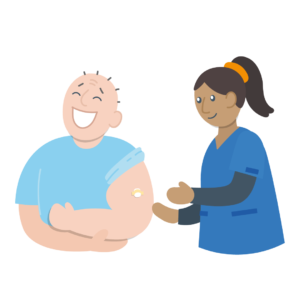
Stay strong with winter vaccines
Free NHS vaccines are the best way to help protect yourself and your family this winter. Winter viruses, such as flu, spread more during colder months. The vaccines will help to protect you against these illnesses and reduce your chances of becoming seriously ill or needing hospital care.
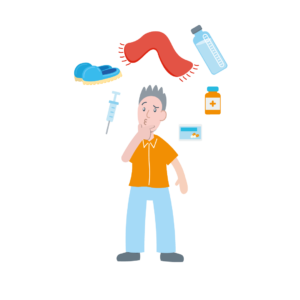
Preventing respiratory infections
Flu and respiratory tract infections are often spread through coughs and sneezes. To reduce the risk of spreading infections:
- cover your mouth with a tissue when you cough or sneeze (if you do not have a tissue, cough or sneeze into the bend of your elbow, not into your hand)
- wash your hands regularly
- throw away used tissues immediately
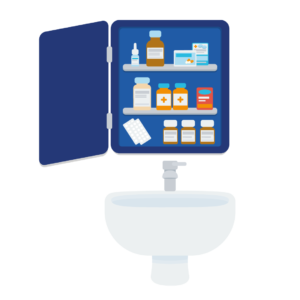
Keep your medicine cabinet stocked
A properly stocked medicine cabinet can help you treat many common illnesses and ailments. Make sure you have these items to hand:
- a first aid kit, including bandages, plasters, thermometer, antiseptic, eyewash solution, sterile dressings, medical tape for dressings, and tweezers
- painkillers such as paracetamol and ibuprofen for aches, pains and high temperatures
- oral rehydration salts to replace lost minerals and fluid after a fever, or vomiting and diarrhoea
- anti-diarrhoea tablets to relieve symptoms of diarrhoea, although these will not help with the underlying cause
- antihistamines to help with allergies
- indigestion relief
Keep warm
Keeping warm during winter can help prevent colds, flu and more serious health problems such as heart attacks, strokes, pneumonia and depression.
Age UK and the UK Health Security Agency suggest heating your home to a temperature that is comfortable for you. This should be at least 18°C in the rooms that you regularly use, such as your living room and bedroom.
You can reduce draughts by fitting draught excluders around doors, or using an old towel to cover gaps.
Keep your bedroom windows closed at night and wear several layers of thin clothing, which will keep you warmer than one thick layer. Make sure you are eating enough and having hot drinks.

Home safety
Sometimes even familiar environments can become difficult to get around as we get older. Age UK advises making some simple changes to feel safer and more comfortable at home:
- keep stairs and hallways clear of clutter, and move rugs away from the top or bottom of stairs
- make sure floors are free of trailing wires and damaged rugs or carpets
- consider installing handrails in useful places, such as by the bath and in the garden
- use non-slip mats to help prevent slipping
- if you wake during the night, a nightlight near your bed will help you see where you are going (motion-activated lights can be particularly helpful)
- have working smoke alarms on every floor to give vital early warning if a fire starts
- test smoke alarms monthly and consider getting a carbon monoxide alarm for rooms with gas, oil, coal or wood-burning appliances
For more information about fire safety, visit firekills.campaign.gov.uk.

Get active
Regular exercise can improve your physical and mental health, reduce your risk of falling, and help with recovery if you do get ill. Try to reduce the time you spend sitting during the day.
No matter how much you do, physical activity is good for your body and mind. Adults should aim to be active every day. Some is good, and more is better still. A daily brisk walk can give your body a boost, lift your mood and make everyday activities easier.
Did you know? To stay fit and healthy, it is recommended you get at least 150 minutes of moderate physical activity a week, or around 20 to 30 minutes a day.
Prescriptions
Make sure you get your prescription medicines before your pharmacy or GP practice closes for the holidays.
You can order your repeat prescriptions using the NHS App, which is available on the App Store and Google Play. For more information, visit nhs.uk/NHSApp.
You can also order repeat prescriptions by contacting your GP practice. Ask a friend, relative or volunteer to collect medicines for you if needed.
Stay hydrated
Dehydration means your body loses more fluids than you take in. Babies, children and older adults are more at risk of dehydration. It can make you feel dizzy, especially when standing up, which increases the risk of falls. It can also increase the risk of urinary tract infections.
Managing winter illness
If you do become unwell, you can manage symptoms by staying warm, resting, drinking plenty of fluids, and eating at least one hot meal a day to keep your energy levels up.
Many over-the-counter medicines, including paracetamol and ibuprofen, can relieve symptoms of common winter illnesses such as colds and earache. Pharmacists can offer advice and treatments for a range of illnesses, such as coughs, colds, sore throats, ear infections and aches and pains.
Find your local pharmacy at nhs.uk/find-a-pharmacy.

Mental health support
We all feel down from time to time, no matter our age. You can find information and tips on keeping mentally healthy at nhs.uk/every-mind-matters.
NHS Talking Therapies can help if you are struggling with things like feelings of depression, excessive worry, social anxiety or post-traumatic stress disorder (PTSD). You can refer yourself at nhs.uk/talk, or a GP can refer you.
If you live with a serious mental illness or have a learning disability, you are entitled to a free NHS annual health check. Talk to your GP practice, key worker or mental health service to book it.
If you or a loved one are experiencing a mental health crisis, you can call NHS 111 and select the mental health option for 24-hour advice and support. Further information and other ways to get help are available at nhs.uk/UrgentMentalHealth.

Looking out for others
Older neighbours, friends and family members may need some extra help over the winter, especially if they live alone. Icy pavements and roads can be very slippery, and cold weather can stop people from going out. There is a lot you can do to help:
- keep in touch and ask if they need any practical help, or if they are feeling unwell
- make sure they are stocked up with enough food for a few days, in case they cannot go out
- if they need to go out in the cold, encourage them to wear shoes with a good grip and a scarf around the mouth to protect them from cold air and reduce their risk of chest infections
- make sure they get any prescription medicines before the holiday period starts and if bad weather is forecast
If they need help over the holiday period when the GP practice or pharmacy is closed, or they are not sure what to do, go to 111.nhs.uk or call 111. If you are concerned the person may have hypothermia, go to 111.nhs.uk or call 111.
If you are worried about a relative or older neighbour, contact your local council or call the Age UK Advice Line on 0800 678 1602 (8am to 7pm, every day). You can find your local council on GOV.UK.

Where to go for the right medical help
- For NHS advice and information, visit nhs.uk
- Contact your pharmacy or GP practice
- If you need urgent medical help but you are not sure where to go, use 111 to get assessed and directed to the right place for you. Go to 111.nhs.uk, call 111 or use the NHS App*
- Call 999 or go to A&E in an emergency, when someone is seriously ill or their life is at risk
*If you need NHS 111 in another language, call 111 and ask for an interpreter. You can also use the NHS 111 British Sign Language (BSL) interpreter service at 111.nhs.uk, or text relay by calling 18001 111.
